


How to Choose an Appraiser
How to Choose a Qualified Jewelry Appraiser: The Credentials, Questions, and Red Flags Every Jewelry Owner Must Know
When you inherit a cherished family heirloom, purchase a stunning engagement ring, or simply decide it is time to insure your growing jewelry collection, obtaining a professional jewelry appraisal is essential. However, the jewelry appraisal industry in the United States is largely unregulated. There are no federal laws or licensing requirements mandating educational standards for jewelry appraisers . This means that technically, anyone can hang a sign and call themselves an appraiser.
For residents of The Woodlands, Houston, and the greater Texas area, this lack of regulation makes choosing the right independent jewelry appraiser a critical decision. A poorly executed appraisal can lead to inadequate insurance coverage, inequitable estate distribution, or significant financial loss during a resale. To protect your precious investments, you must understand the credentials that separate true professionals from the rest.
The Foundation of Trust: Essential Gemological Credentials
The most fundamental requirement for any qualified jewelry appraiser is rigorous gemological training. Without the ability to accurately identify, grade, and evaluate the characteristics of diamonds and colored gemstones, a reliable valuation is impossible.
The Gemological Institute of America (GIA)
The Gemological Institute of America (GIA) is universally recognized as the world's foremost authority on diamonds, colored stones, and pearls . Founded in 1931, the GIA established the globally accepted "4Cs" of diamond grading: Cut, Color, Clarity, and Carat weight.
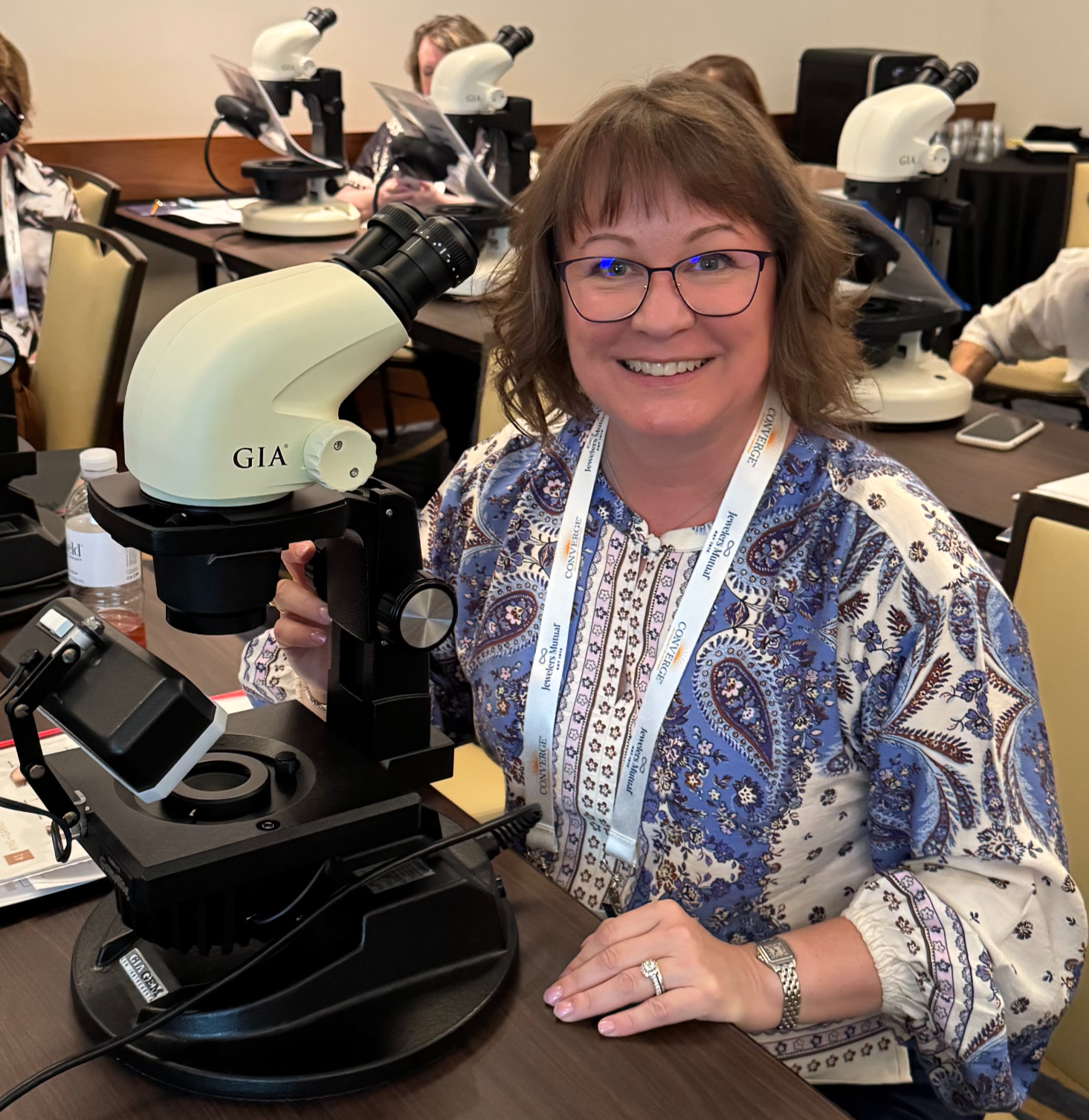
When an appraiser holds the title of Graduate Gemologist (G.G.) from the GIA, it signifies they have completed an intensive, comprehensive educational program. This credential requires hundreds of hours of laboratory work, coursework, and hands-on experience using sophisticated equipment to analyze gems with scientific precision. A GIA Graduate Gemologist is trained to identify authentic gemstones, spot synthetic materials or treatments, assess quality objectively, and provide educated guidance on valuation. At Vault Worthy Jewelry, both Kim Graham and our esteemed partner, Jewelry Judge Ben Gordon, proudly hold the GIA Graduate Gemologist designation.

The International Gemological Institute (IGI)
Another significant credential in the industry comes from the International Gemological Institute (IGI). The IGI is a highly respected global organization known for its comprehensive grading reports and educational programs. While the GIA is often considered the gold standard for natural diamonds, the IGI has become a leading authority in the grading of laboratory-grown diamonds. An appraiser with training or alumni status from the IGI demonstrates a broad, modern understanding of the global gemstone market, including the rapidly evolving sector of lab-created stones.
Professional Appraisal Standards and Ethics
Gemological knowledge is only half of the equation. An expert appraiser must also possess specialized training in valuation methodology, market research, and ethical standards.
The National Association of Jewelry Appraisers (NAJA)
Since 1981, the National Association of Jewelry Appraisers (NAJA) has been the only appraisal association in the United States devoted solely to the appraisal of fine gems, jewelry, and timepieces.
Choosing an appraiser who is a Certified Member of NAJA provides a vital layer of consumer protection. NAJA members are required to adhere to a strict code of ethics and professional standards, ensuring that their appraisal reports are unbiased, credible, and legally defensible. This commitment guarantees that the valuation is based on current market data and recognized appraisal principles, rather than guesswork or vested interests.
The Women's Jewelry Association (WJA)
Professional development and industry connection are also indicators of a dedicated appraiser. The Women's Jewelry Association (WJA) is a premier organization that advances women in the jewelry and watch industry through networking, mentorship, and education . Active membership in organizations like the WJA and the GIA Alumni Collective demonstrates an appraiser's commitment to staying current with industry trends, continuing their education, and maintaining strong professional networks.
Why Independence Matters
One of the most critical factors in selecting an appraiser is their independence. A true independent jewelry appraiser does not buy or sell jewelry.
When you visit a retail jeweler for an appraisal, there is an inherent conflict of interest. The jeweler may inadvertently—or purposefully—inflate the appraisal value to encourage a higher insurance premium (which benefits them if they are the preferred replacement vendor) or to make a recent purchase seem like a better deal.
An independent appraiser, such as Vault Worthy Jewelry, works solely for you. Our only job is to provide an honest, accurate assessment of what your pieces are truly worth, whether for insurance replacement, estate probate, equitable distribution, or resale.
Frequently Asked Questions (FAQ) About Jewelry Appraisals
To help you navigate the appraisal process, we have compiled answers to the most common questions our clients ask.
How often should I have my jewelry appraised for insurance?
Most insurance providers recommend updating your jewelry appraisal every two to three years. Market conditions, the cost of precious metals, and diamond prices fluctuate over time. An outdated appraisal could leave you significantly under-insured in the event of loss, theft, or damage.
What is the difference between an insurance appraisal and an estate appraisal?
An insurance appraisal determines the "Retail Replacement Value," which is the estimated cost to replace the item with a new piece of comparable quality in the current retail market. An estate appraisal determines the "Fair Market Value," which is the price the item would sell for in its current, used condition between a willing buyer and a willing seller. These two values can differ significantly.
Do I need an appraisal for a divorce settlement?
Yes. In cases of divorce, jewelry often represents significant marital assets. An independent, fair-market-value appraisal ensures an equitable distribution of property between divorcing parties, avoiding disputes and providing a legally sound basis for settlement.
What should a professional appraisal document include?
A comprehensive appraisal should include a detailed description of the item, metal composition and testing results, precise measurements and grading of all gemstones, high-quality digital photographs, a statement of the appraisal's purpose (e.g., insurance, estate), and the appraiser's signature and credentials.
Schedule Your Expert Consultation
Whether you are in The Woodlands, Houston, or require a virtual consultation worldwide, Vault Worthy Jewelry is your trusted partner for precise, unbiased, and comprehensive jewelry appraisals. With industry-leading credentials from the GIA, NAJA, and IGI, and a legacy of trust spanning decades, we are dedicated to helping you understand the true identity and value of your jewelry.
Book a consultation with Vault Worthy Jewelry today to secure the peace of mind that comes from true professional expertise. Click here to book now.

Comments