


Why Jewelry Appraisal Credentials Matter
Updated: May 29
Why Credentials Matter
A jewelry appraisal should be based on knowledge, ethics, and independence. When you need an appraisal for insurance, estate valuation, equitable distribution, liquidation, resale, or education, the appraiser’s qualifications matter because the report may affect financial, legal, and personal decisions.
Credentials from organizations such as the Gemological Institute of America (GIA), the National Association of Jewelry Appraisers (NAJA), and the International Gemological Institute (IGI) show that an appraiser has pursued professional education and industry involvement. These credentials help clients understand whether the appraiser has the training to accurately identify jewelry, apply appropriate valuation methods, and stay current in a changing market.
Vault Worthy Appraisals provides precise, unbiased, and comprehensive jewelry appraisals in The Woodlands, the greater Houston area, and through virtual consultations. Valuations are backed by industry credentials and gemological expertise.
Independence Is Essential
An independent appraiser is important because the client needs an objective and unbiased opinion of the true value of jewelry. An appraiser who buys, sells, or has a financial interest in the transaction may have a conflict of interest. A qualified independent appraiser works for the client and provides an opinion based on the item, the purpose of the appraisal, and the relevant market.
Partnered with Jewelry Judge Ben Gordon, they explain that independence is essential to maintaining objectivity in the valuation process. Together, they do not work for a retailer, dealer, reseller, or other interested party, work exclusively for the client, and do not buy or sell jewelry.
This matters because the value of jewelry depends on the intended use of the appraisal. Insurance replacement value, estate value, fair market value, liquidation value, and resale expectations are not always the same. A professional appraiser must understand the assignment before providing a value conclusion.
GIA: Gemological Training
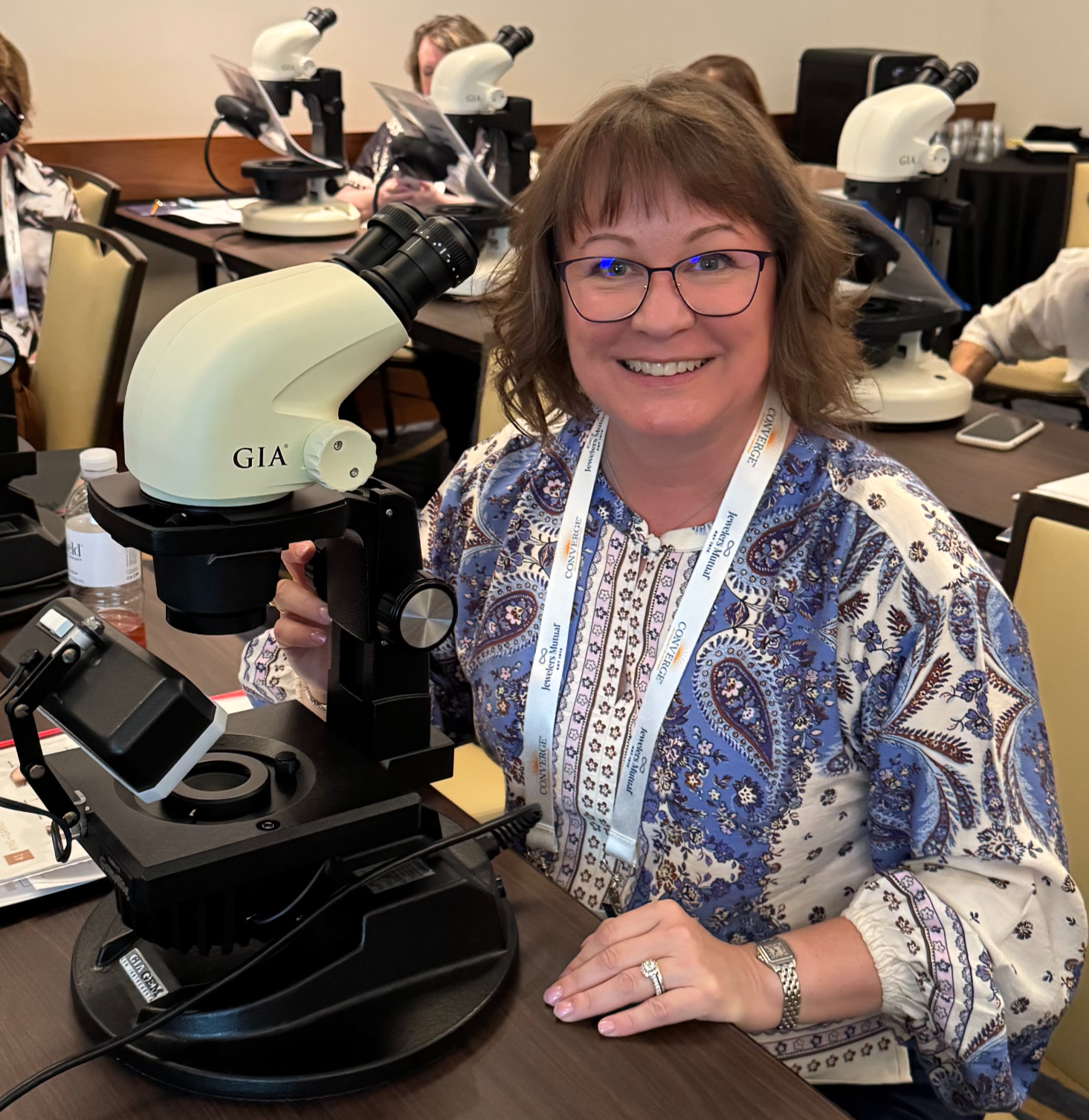
GIA is a public benefit nonprofit organization that conducts research and offers education and laboratory services to help protect the public by providing unbiased information about gems and jewelry. Its Graduate Gemologist program provides education in diamonds and colored stones, including lab work with real diamonds and gemstones.
GIA’s Graduate Gemologist curriculum includes diamond grading, the 4Cs, colored stone grading, gemstone identification, gemological equipment, treatments, laboratory-grown gemstones, rarity, color, quality, and market factors that affect value.
This training is important because appraisal begins with identification. Before jewelry can be valued, the appraiser must understand what the item is, whether gemstones are natural or laboratory-grown, whether treatments are present, and how quality affects value.
NAJA: Appraisal-Specific Education
NAJA states that it is the only appraisal association in the United States devoted solely to the appraisal of fine gems, jewelry, and timepieces. This focus is important because gemological knowledge and appraisal knowledge are not the same.
NAJA’s Certified Member, Certified Senior Member, and Certified Master Appraiser levels require completion of the NAJA Appraisal Studies Course and a practical appraisal examination. NAJA also states that membership categories above Candidate require USPAP compliance, and certified members must complete 16 hours of continuing education each year to maintain certified status.
A NAJA credential shows that an appraiser has pursued appraisal-specific education, practical testing, ethics, and continuing education. Vault Worthy Appraisals states that Kim holds a Certified Member designation from NAJA and that Certified Members adhere to strict ethical guidelines and professional standards.
WJA: Professional Development and Industry Involvement
WJA supports and advances women working across the jewelry and watch industry through networking, mentorship, and education. Its programs include educational panels, industry programming, mentorship, leadership development, scholarships, grants, leadership opportunities, and professional recognition.
WJA involvement matters because jewelry professionals must continue learning. Markets change, laboratory-grown materials evolve, treatments become more complex, and client needs vary. Professional associations help appraisers stay connected to education, peers, and current industry issues.
IGI: Grading, Education, and Impartial Standards
IGI states that it has served the industry with diamond, gem, and jewelry grading, education, and appraisals since 1975. IGI also states that its laboratories hold ISO accreditation in natural and laboratory-grown diamond grading and that it operates laboratories and schools of gemology worldwide.
IGI emphasizes objectivity, accuracy, consistency, and impartiality. These principles are relevant to appraisal work because clients need opinions based on facts, testing, standards, and market knowledge rather than bias or sales interest.
Jewelry Judge Ben Gordon: Experience and Independence
Vault Worthy Appraisals partners with Jewelry Judge Ben Gordon, whose decades of experience provide additional historical perspective and appraisal knowledge. Jewelry Judge Ben Gordon’s website describes him as a Master Graduate Gemologist/Appraiser with more than 72 years in the jewelry business and a full-time appraising practice dating to 1977.
Experience matters because many jewelry items require more than basic testing. Older pieces, specialty watches, designer jewelry, antique construction, unusual gemstones, and inherited items may require historical knowledge and market context.
What Clients Should Look For
Clients should look for an appraiser who has gemological training, appraisal-specific education, current industry knowledge, ethical standards, and independence. The appraiser should be able to explain the purpose of the appraisal, identify the jewelry accurately, use the appropriate value definition, and provide a clear report.
The appraiser should also be independent. A client seeking a reliable opinion should understand whether the appraiser buys or sells jewelry, works for a retailer, or has any financial interest in the outcome. Independence helps protect the client from biased valuations.
Conclusion
Jewelry appraisal credentials matter because they support accuracy, ethics, and trust. GIA training helps with gem identification and grading. NAJA membership supports appraisal-specific education and standards. WJA involvement reflects professional development and industry engagement. IGI emphasizes grading, education, and impartiality. Jewelry Judge Ben Gordon’s independent appraisal model reinforces the importance of objectivity.
An independent appraiser is important because jewelry owners need a clear, unbiased opinion of true value. Whether the appraisal is for insurance, estate planning, equitable distribution, liquidation, resale, or education, the best appraisal begins with qualified, independent judgment.


Comments