


The Timeless Cycle of Gold: Why Precious Metal Recycling is More Relevant Than Ever
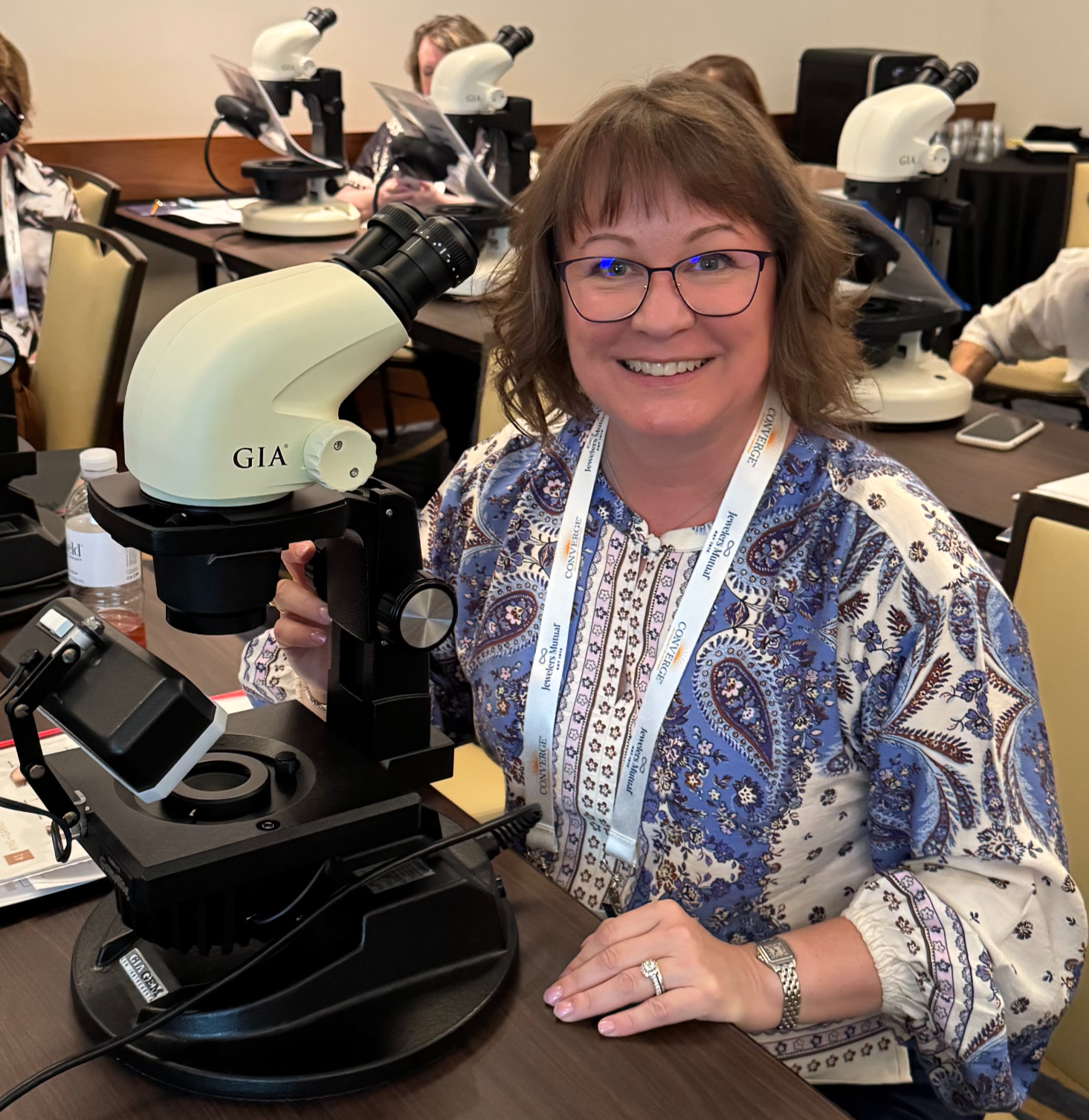
By Kimberly Graham, Graduate Gemologist (GIA), Certified Member NAJA

Gold is a metal that transcends time. For thousands of years, civilizations have revered its luster, rarity, and enduring nature. But there is another remarkable characteristic of gold that often goes unnoticed: its infinite recyclability. As the owner of Vault Worthy Jewelry and a Graduate Gemologist from the Gemological Institute of America (GIA), I have spent decades evaluating the hidden stories within jewelry boxes. Alongside my esteemed partner, Jewelry Judge Ben Gordon, we have seen firsthand how the history of a single gold ring can span generations—and sometimes, centuries.
Today, as gold prices reach unprecedented highs and sustainability becomes a global priority, gold buying events are surging in popularity. But before you participate in the modern "cash for gold" movement, it is essential to understand the rich history of precious metal recycling, the current state of the industry, and why professional credentials from organizations like the GIA, NAJA, and WJA matter more than ever when determining your jewelry's true value.
A Tradition Rooted in Antiquity
The concept of recycling gold is not a modern eco-friendly trend; it is an ancient practice born out of necessity and reverence for the material. Because gold does not corrode, rust, or tarnish, it can be melted down and reformed endlessly without losing its chemical integrity or quality.
The Ancient Romans: Pioneers of Precious Metal Reuse
Recent archaeological discoveries and historical analyses reveal that the ancient Romans were early pioneers of metal recycling. During periods of economic strain, such as after the Social War, the Romans routinely melted down allied coinage to increase monetary liquidity . The Gaulcross Hoard, a collection of silver and gold items found in Scotland, demonstrates how late Roman precious metals were recycled and recast into high-status objects that underpinned elite society in the post-Roman period.
Egyptian Eternity and Gold
In ancient Egypt, gold (known as nbw) was considered the flesh of the gods. The survival of gold artifacts from the preliterate days of the fourth millennium B.C. through the New Kingdom highlights its enduring value . However, archaeologists and Egyptologists note that much of the precious metal from ancient Egyptian sites was melted down and repurposed long ago. The gold used by Egyptians generally contained silver—forming a natural alloy known as electrum—which could be continually melted and reworked into new amulets, broad collars, and funerary items.
Medieval Splendor to Modern Masterpieces
Throughout the Middle Ages and the Renaissance, gold was frequently repurposed. As fashions changed or empires fell, old jewelry was routinely melted down to fund wars or to create more contemporary designs for royal courts. The Victoria and Albert Museum's extensive jewelry collection showcases how 18th-century diamond jewelry was frequently reset into new silver and gold mountings as styles evolved. The gold atoms in a Victorian brooch could very well be the same atoms that once adorned a Roman emperor.
The Modern Resurgence of Gold Recycling
Fast forward to the 21st century, and the recycling of precious metals is experiencing a massive resurgence. According to the World Gold Council, recycled gold accounted for roughly 28% of the total global gold supply between 2010 and 2021, with old jewelry comprising over 90% of that total scrap. In 2025, full-year recycled gold supply rose to 1,404 tonnes, driven largely by surging gold prices and economic shifts.
The Driving Forces Behind Today's Gold Buying Events
We are currently witnessing a boom in gold buying events across the country. What is fueling this trend?
Record-Breaking Gold Prices: With gold prices pushing past the $3,000 per ounce milestone in recent years, the financial incentive to liquidate unworn or broken jewelry has never been higher.
Sustainability and Eco-Conscious Consumers: Mining new gold has a significant environmental footprint, requiring vast amounts of water and energy while disrupting ecosystems. Recycled gold reduces this strain. Consumers are increasingly seeking ethical and sustainable jewelry, making the recycling of existing gold highly appealing.
Generational Wealth Transfer: As the great wealth transfer between generations accelerates, many individuals are inheriting jewelry that does not fit their personal style.
Why Credentials Matter Before You Sell
If you have unworn chains, single earrings, or inherited estate pieces, a gold-buying event might seem like a quick way to generate cash. However, before you hand over your family treasures to be melted down, it is critical to pause and seek professional guidance.
Not all gold jewelry should be scrapped. Some pieces hold historical significance, feature rare gemstones, or were crafted by renowned designers, giving them a resale value that far exceeds their raw metal weight. This is where the expertise of a certified appraiser becomes invaluable.
The Role of GIA, NAJA, and WJA Professionals
At Vault Worthy Jewelry, we do not buy or sell jewelry; we provide objective, unbiased
. Our credentials are your guarantee of accuracy and integrity:
•Gemological Institute of America (GIA): As a Graduate Gemologist from the GIA, I possess rigorous training in diamond and colored stone identification and grading. This ensures that any gemstones in your piece are accurately evaluated before you consider selling the metal.
•National Association of Jewelry Appraisers (NAJA): As a Certified Member of NAJA, I adhere to the strictest ethical guidelines and professional standards. An appraisal from a NAJA member provides a fair market valuation that you can trust.
•Women's Jewelry Association (WJA): Membership in organizations like the WJA and the GIA Alumni Collective reflects a deep, ongoing commitment to education and industry excellence.
When you bring your items to Vault Worthy Appraisals or when we host a pop-up appraisal event at a local jeweler, we evaluate the entire piece. We look for hallmarks, assess the craftsmanship, grade the gemstones, and determine their true identity. If a piece is better suited for an estate sale or auction rather than the melting pot, we will tell you.
Making Informed Decisions About Your Jewelry
The cycle of gold is a beautiful testament to the enduring value of precious metals. The ring you melt down today may become the engagement ring of tomorrow, continuing a tradition that dates back to the dawn of civilization.
However, before you participate in this timeless cycle, empower yourself with knowledge. Whether you are preparing for a gold buying event, seeking equitable distribution for an estate, or simply updating your insurance coverage, a professional appraisal is your most important first step.
We love to play in jewelry boxes! Let us help you uncover the true value and history of your pieces so you can make the most informed decisions possible.
About the Author:
Kimberly Graham is the owner of Vault Worthy Jewelry, an independent jewelry appraisal business serving The Woodlands and greater Houston, Texas. She is a GIA Graduate Gemologist, a trained jeweler from the Stuarts International School for Jewelers, and a Certified Member of the National Association of Jewelry Appraisers. She partners with the esteemed Jewelry Judge Ben Gordon to bring decades of trusted expertise to every valuation.


Comments