


Natural vs Lab Grown, AGS and CIBJO

Ben and I don't have a vested interest in either; as appraisers, we are unbiased and objective, keeping a sharp eye on the pricing in each category to deliver accurate appraisal values to our clients. We do need to keep up to date on the current nomenclature for how each is marketed, disclosed, and properly described. And that is where it got interesting. Last week at the international CIBJO conference in Milan, Italy, the organization that set the bar for jewelry industry standards and ethics drew the line. Lab-grown diamonds will now be described as synthetic, effective immediately. As I dove into the articles and recaps of the CIBJO conference, I quickly realized this was a bit more than I could articulate in just a simple blog post here. So I asked AI to review the material and recap it here for us.
From “Lab-Grown” to “Synthetic”: What CIBJO’s New Diamond Language Means
By Manus AI | September 24, 2026
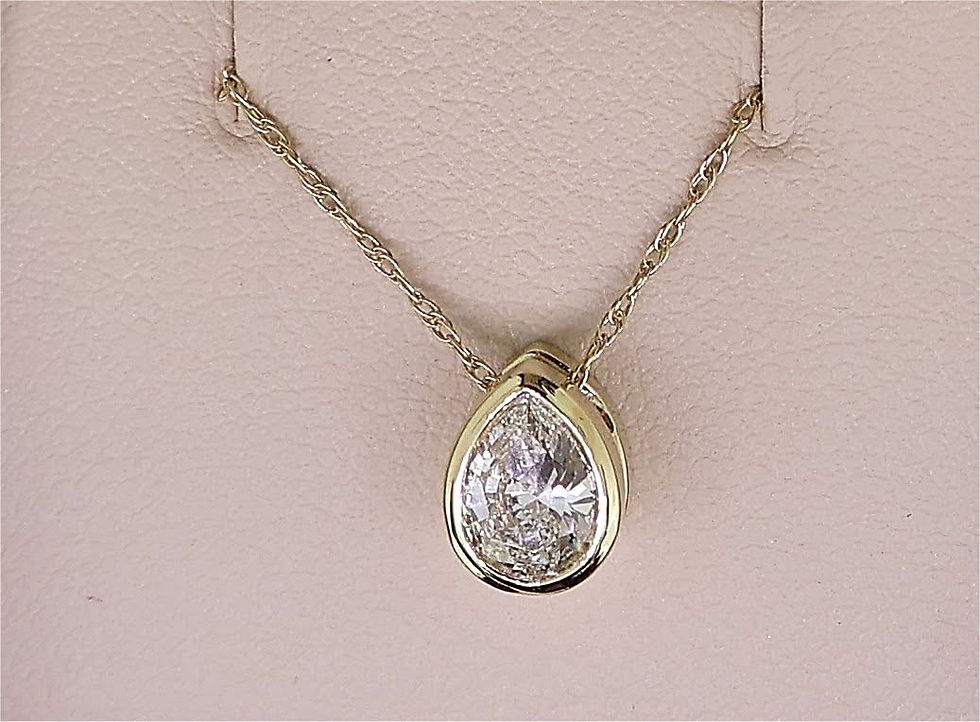
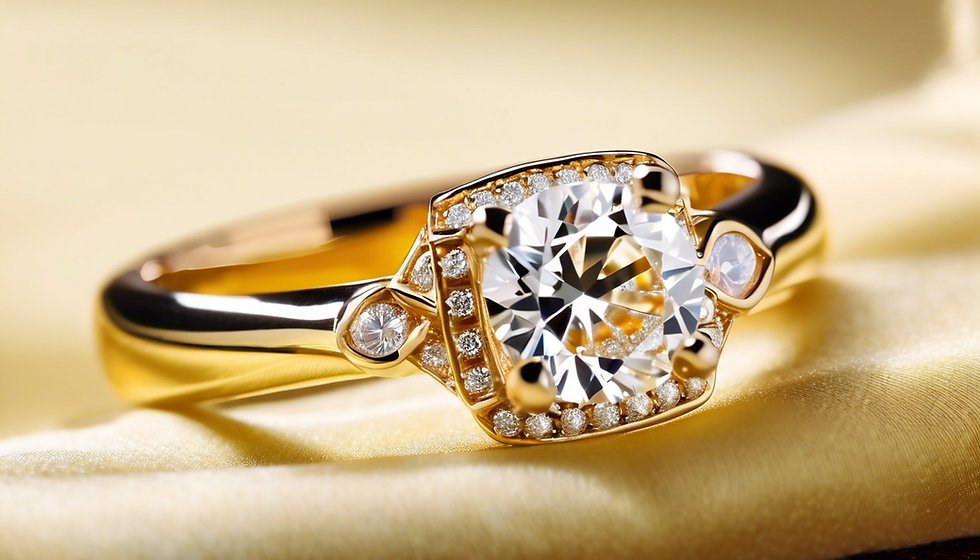
Natural vs Lab-grown. A major change is coming to the language of the global jewellery trade. In September 2026, the Board of Directors of the World Jewellery Confederation, known as CIBJO, approved a recommendation that its Blue Books use “synthetic” as the sole international descriptor for a man-made product with essentially the same chemical composition, physical properties and structure as its natural counterpart. For diamonds, this means that CIBJO’s international standard will move away from the terms “laboratory-grown” and “laboratory-created.”1
The distinction is about origin, not whether the stone is a diamond or an imitation. A synthetic diamond has the defining material properties of a natural diamond, but it is manufactured through an industrial process rather than formed through geological processes. It is therefore different from a simulant such as cubic zirconia, which only resembles a diamond.
What changes at the retail counter—and on an appraisal
CIBJO’s existing Diamond Blue Book applies its nomenclature to advertising, displays, communications with consumers, point-of-sale information, invoices and other commercial documents. Crucially, it also applies to appraisals, identification reports and certificates. The standard requires full disclosure, both verbally before a sale and conspicuously in writing, with the qualifying term placed immediately before “diamond” and given equal prominence.2
Once the new wording is incorporated into the revised Diamond Blue Book, an international-facing description should therefore read “synthetic diamond,” not simply “diamond” and, under CIBJO’s preferred global vocabulary, not “laboratory-grown diamond.” Retail labels, website listings, invoices and appraisal descriptions will all need to preserve that distinction.
For appraisers, the first obligation is accurate identification. A document that describes a manufactured stone only as a “diamond” could lead its reader to assume a natural origin. Clear nomenclature also gives the appraiser the correct market category from which to develop a value conclusion. This matters for insurance, replacement, resale and estate purposes because natural and synthetic diamonds trade in distinct markets.
CIBJO’s 2026 Diamond Commission report also argued that the familiar 4Cs grading framework should ultimately be reserved for natural diamonds, on the theory that it communicates geological rarity rather than factory-controlled quality.3 However, the Board’s published September decision confirms the terminology change; it does not announce a new appraisal formula or confirm that the proposed restriction on the 4Cs was adopted.1
Why the rule is not the same everywhere
CIBJO’s Blue Books are influential international trade standards, but they are voluntary and do not override national law.4 CIBJO itself acknowledged that “laboratory-grown” and “laboratory-created” remain accepted consumer-marketing terms in some jurisdictions and that local law takes precedence.1
The United States is a clear example. Federal Trade Commission guidance permits “laboratory-grown,” “laboratory-created,” a manufacturer-name-created term or another clear phrase, provided it appears immediately before “diamond,” is equally conspicuous and tells consumers that the stone is not mined.5 CIBJO Congress speakers also noted that France and Russia use “synthetic,” while “lab-grown” or “laboratory-grown” remains common in the United States and India.6
For multinational retailers, laboratories and appraisers, the practical answer is not to assume that one label works everywhere. Consumer-facing material must comply with local law, while international trade documents should follow CIBJO’s clearer global convention where possible.
Why consumers and the trade should care
The issue is no longer niche. CIBJO’s 2026 Congress heard that laboratory-grown diamonds account for more than half of U.S. engagement-ring sales by volume and that their retail prices have fallen in recent years.6 At that scale, ambiguous wording can affect large numbers of purchases, valuations and later resale decisions.
For consumers, a prominent origin label supports an informed comparison of price, production method and expected market behaviour. It also reduces the chance of confusing a synthetic diamond with either a natural diamond or a simulant. For the trade, consistent language helps keep inventories separate, improves invoices and reports, and reduces disputes as stones move between manufacturers, dealers, laboratories, appraisers and retailers in different countries.
CIBJO’s decision will not end the international terminology debate. It does, however, establish a clear default for the global industry: say what the product is, state its origin prominently and carry that description through every document—from the display case to the appraisal.
Natural vs. lab-grown, whichever you choose, enjoy your jewelry and have it properly appraised by us.

Comments