


You Just Inherited Jewelry in Houston, TX. Now What?
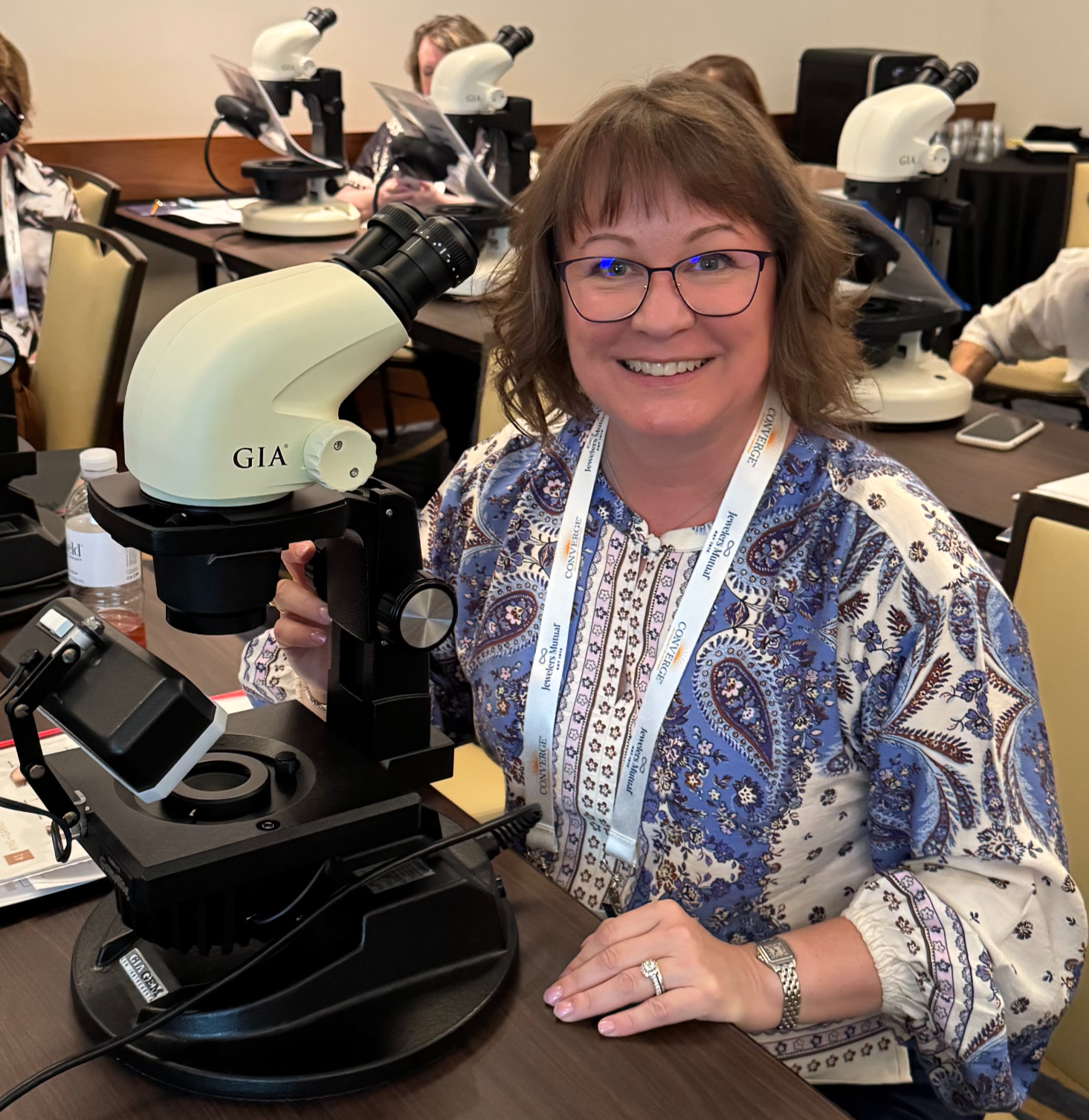
The Houston guide to protecting, understanding, and making the most of your heirloom pieces — from a GIA-certified gemologist.
A drawer full of rings. A velvet box tucked in the back of a closet. A strand of pearls in a plastic bag with a handwritten note. If you've recently inherited jewelry from a loved one, you know the feeling — a mix of sentiment, curiosity, and quiet uncertainty about what you're actually holding.
In 2026, that uncertainty carries real financial weight. Gold prices have surged. The market for pre-owned and estate jewelry is thriving. And in Houston — a city with one of the highest concentrations of high-net-worth households in the country — the value locked inside a jewelry box can be far greater than most people expect.
But before you decide to keep it, insure it, sell it, or divide it among family members, there's one essential first step: a professional appraisal from a certified gemologist you can trust.
Here's everything you need to know.
Why Inherited Jewelry Is Different From Any Other Jewelry You Own
Jewelry you buy for yourself comes with a receipt, a box, and often a certificate. Inherited jewelry comes with a story — which is meaningful, but not the same thing as documentation.
Without a current, professional appraisal, you don't truly know:
What the piece is actually made of (metal purity, stone identity)
Whether the stones are natural, treated, synthetic, or simulants
What the piece is worth at today's market values — not what grandma paid in 1978
Whether an existing appraisal (if one exists) is still accurate
The correct value type for your specific purpose — insurance, sale, or estate settlement
That last point matters more than most people realize. A jewelry appraisal isn't a single number — it's a value standard, and choosing the wrong one can cost you significantly.
"We love playing in jewelry boxes — and we help clients understand not just what they own, but what it's truly worth." — Vault Worthy Appraisals
The Top Three Types of Jewelry Appraisal Values (And Which One You Need)
One of the most common misconceptions we encounter at Vault Worthy is the assumption that all appraisals produce the same number. They don't — and the difference can be thousands of dollars.
1. Insurance Replacement Value
This is the most common appraisal type and often the highest value. It reflects what it would cost to replace the piece with one of like kind and quality at today's retail prices. If your grandmother's diamond ring were lost or stolen, what would your insurance company need to pay out? That's this number.
This value is often significantly higher than what you'd sell the piece for — which surprises many clients.
2. Fair Market Value (for Estate & Probate)
If you're settling an estate, dividing assets among heirs, or filing with the IRS, you need fair market value — the price a willing buyer would pay a willing seller, with neither under any pressure to act. This is typically lower than insurance replacement value and requires a different methodology.
Note: Estates with jewelry valued at $5,000 or more require a qualified appraisal for charitable donation deductions. Working with a NAJA-certified appraiser ensures your documentation meets IRS standards.
3. Estate Liquid / Resale Value
This is the value if you're selling — what a wholesaler or resale buyer would pay. It's typically the lowest of the three values, but understanding it gives you a realistic baseline so you're never caught off guard by a low offer.
At Vault Worthy Appraisals, we discuss your specific situation before every appraisal — so the report you receive is built for exactly what you need it to do.
Why 2026 Is a Particularly Important Time to Appraise Inherited Jewelry
The jewelry market has shifted meaningfully in the past 18 months, and those shifts affect what your inherited pieces are worth right now.
Gold prices have remained elevated, making gold jewelry — even simple chains and bands — more valuable than outdated appraisals would suggest.
New international tariff policies introduced in 2025 increased costs on imported finished jewelry, particularly diamond pieces from India. This has raised replacement costs, which directly affects insurance replacement values.
Lab-grown diamonds have created significant confusion in estate jewelry evaluation. Pieces appraised before 2022 may have been assessed without proper testing for natural vs. lab-grown stones — a distinction that can affect value substantially.
The resale market for authentic estate and vintage jewelry is thriving, driven by younger buyers seeking sustainable, story-rich alternatives to new pieces.
If the jewelry you inherited was appraised five or more years ago — or has never been appraised at all — that document does not reflect today's reality. A current appraisal is not optional; it's essential.
What Happens During a Vault Worthy Jewelry Appraisal
At Vault Worthy Appraisals, serving clients in Houston and The Woodlands, our process is thorough, transparent, and entirely focused on giving you an accurate picture of what you own.
Here's what to expect:
Step 1: Free 15-Minute Consultation
Before you bring in a single piece, we talk. We want to understand why you need the appraisal — insurance, estate settlement, potential sale, or simple curiosity — so we can deliver the right type of report. This consultation is always free and carries no obligation.
Step 2: Physical Examination
Our Graduate Gemologists from the Gemological Institute of America (GIA) examine each piece under magnification. We test metal purity, identify gemstones, grade their characteristics, and document hallmarks, signatures, and maker's marks that might indicate designer origin or historical significance.
This step is where surprising discoveries happen — a family piece assumed to be costume jewelry identified as Art Deco platinum, or a 'small diamond' that turns out to be a significant colored stone.
Step 3: Market Research & Valuation
We apply current market data and methodology appropriate to your appraisal type. Our appraisers hold GIA Graduate Gemologist diplomas and Certified Member designation from the National Association of Jewelry Appraisers (NAJA) — the industry's strictest ethical standard.
Step 4: Detailed Appraisal Report
You receive a comprehensive written report that includes photographs, full descriptions, condition notes, and a defensible, documented value. This report is accepted by insurance companies, financial institutions, courts, and the IRS.
Ready to discover what your inherited jewelry is truly worth? Book a free 15-minute consultation at vaultworthyjewelry.com or call 713-499-9027. |
For Estate Executors and Attorneys: What You Need to Know
If you're serving as an estate executor or working with a Houston probate attorney, accurate jewelry appraisals are not just helpful — they're legally required in many circumstances.
Vault Worthy Appraisals is experienced in working with executors, estate attorneys, financial advisors, and fiduciaries to provide:
Probate and estate appraisals that meet IRS and court requirements
Fair market value reports for equitable distribution among heirs
In-home jewelry inventories for large collections (available throughout the Houston metro area)
Documentation that holds up under scrutiny — from insurance companies, courts, or buyers
We also partner with Ben Gordon, The Jewelry Judge — a name with over 70 years of experience in the industry — bringing an additional layer of depth and historical perspective to complex estate valuations.
For executors managing large estates, our In-Home Jewelry Inventory service is particularly valuable. We come to you, assess and document the collection in detail, and deliver a complete report you can use with confidence.
5 Things to Do (and Avoid) When You Inherit Jewelry
Do:
Get a professional appraisal before making any decisions. Even if you plan to keep the pieces forever, you need to know what you have.
Update your homeowner's or renter's insurance. Standard policies have limits on jewelry coverage. You may need a separate rider — and you'll need an appraisal to get one.
Gather any existing documentation. Old appraisals, receipts, GIA certificates, original boxes, and even photos all add to provenance and value.
Consult a tax professional before selling. Inherited jewelry receives a 'stepped-up' cost basis at the date of the original owner's death, which affects how capital gains are calculated.
Store pieces securely during the process. A bank safe deposit box is ideal while you assess your options.
Avoid:
Selling without an independent appraisal. Offers from buyers who haven't had pieces independently appraised are almost always below true value.
Relying on outdated appraisals. A document from 10 years ago reflects a 10-year-old market. It does not protect you today.
Assuming sentiment equals market value — or that market value equals sentiment. These are separate things, and understanding both helps you make clear-headed decisions.
Cleaning pieces aggressively before an appraisal. Original patina and condition can affect value assessment. Let the appraiser see pieces as-is.
Frequently Asked Questions
How much does a jewelry appraisal cost in Houston?
At Vault Worthy Appraisals, single-item and two-item appraisals start at $100. Multiple-item appraisals (three or more pieces) also start at $100. Custom in-depth consultations and in-home jewelry inventories start at $250/hour. A free 15-minute consultation is always available with no obligation — book at vaultworthyjewelry.com.
How long does a jewelry appraisal take?
For most single or small-batch appraisals, plan for 30–60 minutes of examination time. Larger collections, particularly in-home inventories, require more time. We discuss timing during your initial consultation.
Do I need an appraisal if I plan to keep the jewelry and never sell it?
Yes — for insurance purposes. Without a current, certified appraisal, your insurance company cannot properly compensate you if a piece is lost, stolen, or damaged. Most standard homeowner's and renter's policies have strict jewelry sublimits. A professional appraisal is the foundation of adequate coverage.
How often should inherited jewelry be re-appraised?
Industry best practice is every three to five years, or sooner if the market has shifted significantly — which it has in the past two years. Gold price appreciation and changes in the diamond market mean that appraisals from even 2020 may be considerably out of date.
Can you do virtual appraisals for jewelry I can't bring in person?
Yes. Vault Worthy Appraisals offers virtual consultations for clients worldwide. While some determinations require physical examination, virtual sessions are ideal for preliminary assessments, guidance on next steps, and consultations before traveling or shipping pieces.
What's the difference between a GIA Graduate Gemologist and a regular jeweler?
A GIA Graduate Gemologist has completed the world's most rigorous gemological training program — covering diamond and colored stone identification, grading, and valuation methodology. This credential, combined with NAJA Certified Member status, ensures that appraisals meet professional and ethical standards accepted by insurance companies, courts, and financial institutions.
Your Jewelry Box Has a Story. We Help You Understand Its Value.
At Vault Worthy Appraisals, we've built our practice on a simple belief: you deserve to know exactly what you own and what it's worth — not a guess, not an outdated document, but a current, credible, detailed assessment you can act on with confidence.
Whether you're settling an estate, protecting pieces you plan to keep for generations, or simply satisfying curiosity about that old brooch in the velvet box — we're here to help.
We serve clients in Houston, The Woodlands, and the greater Houston metro area, with in-office appointments, in-home inventory services, and virtual consultations available worldwide.
Book your free 15-minute consultation today vaultworthyjewelry.com | 713-499-9027 | kim@vaultworthyjewelry.com |
About the Author
Kim Graham, GIA GG | Certified Member, National Association of Jewelry Appraisers | Stuart's International School for Jewelers
Vault Worthy Appraisals — Houston & The Woodlands, Texas


Comments