


An Eye for Color: The Farnsworth-Munsell 100-Hue Test in Gemology
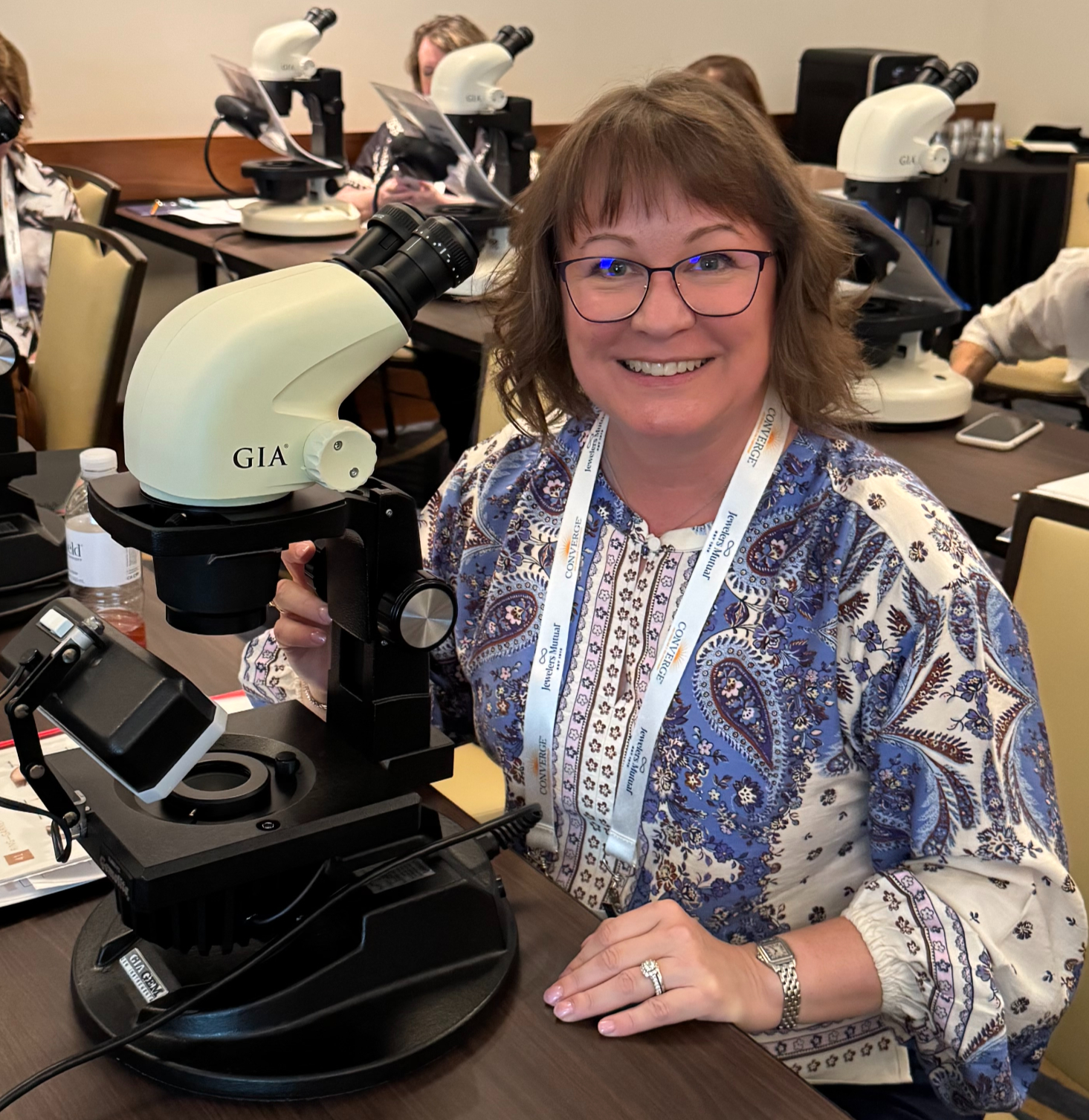
By Kimberly Graham, GIA Graduate Gemologist and NAJA Certified Member | Vault Worthy Jewelry
At Vault Worthy, we love to play in jewelry boxes—but understanding what’s inside takes more than an appreciation for sparkle. With colored gemstones, small differences in color can make a meaningful difference in quality and value. That’s why an appraiser’s ability to distinguish those differences matters. We have an eye for color! An Eye for Color: The Farnsworth-Munsell 100-Hue Test in Gemology

What Is the Farnsworth-Munsell 100-Hue Test?
The Farnsworth-Munsell 100-Hue Test measures how accurately someone can distinguish subtle differences in hue. Despite its name, the physical test uses 85 movable color caps in four trays. The task is to arrange them in a smooth progression of color under standardized daylight conditions.
The scoring records errors in that arrangement. Lower scores indicate better color discrimination. This is a test of the observer’s eyes—not a test that grades a gemstone.
Munsell Color and the Macbeth Connection
The Munsell color system organizes color by hue, value, and chroma: its color family, lightness, and strength. It provides a systematic language for describing color rather than relying on “that pretty blue.”
My original test sheet carries the imprint “Munsell Color, Macbeth Division.” That identifies the historical supplier associated with the test materials, not a separate gemstone-grading method. Today, X-Rite offers the Farnsworth-Munsell test as a professional color-assessment tool.
How Did I Do?
My recorded total error score was 4, and the evaluator marked the result “Superior.” That falls within the published superior range of 0–16 for color discrimination. It’s a result I’m proud of—and a relevant ability to bring to the careful evaluation of your colored stones.
Why This Matters for Your Jewelry
In gemology, color is described through hue, tone, and saturation: what color a stone is, how light or dark it appears, and how intense that color is. Recognizing a subtle violet or green component in a blue sapphire helps an appraiser describe what you actually own.
Strong color discrimination supports that work, alongside controlled lighting, gemological training, instruments, and market research. It does not replace them.
Whether your gemstone is a new purchase or a treasured family heirloom, you deserve to understand more than its sparkle. Vault Worthy Jewelry provides jewelry appraisals in Houston and The Woodlands, helping you understand your jewelry’s identity and value—with care, precision, and an eye for color.
Book your colored stone appraisal today.


Comments